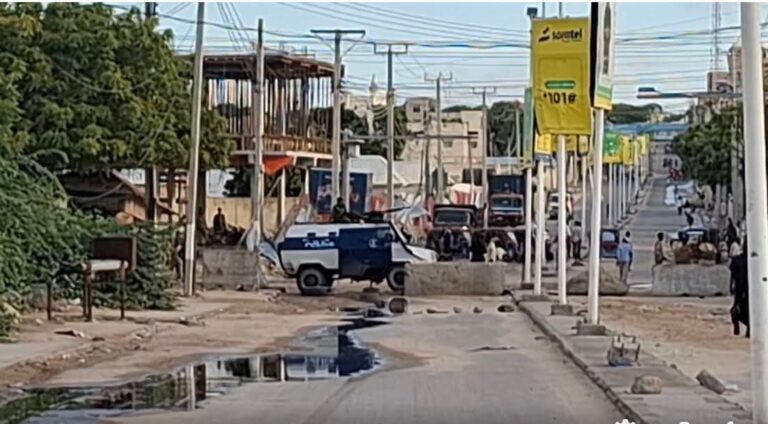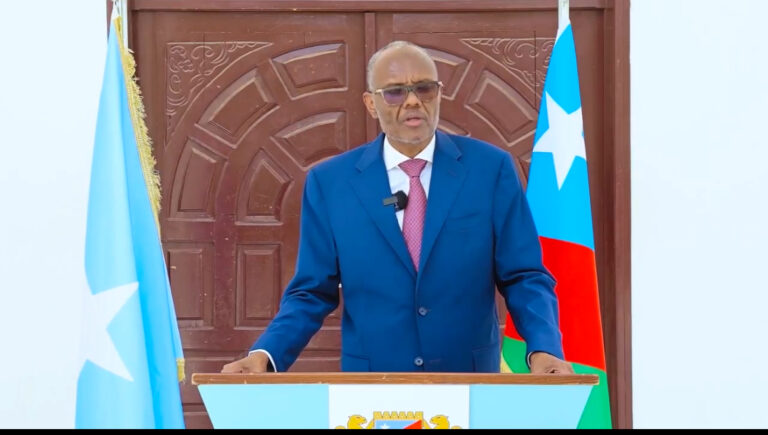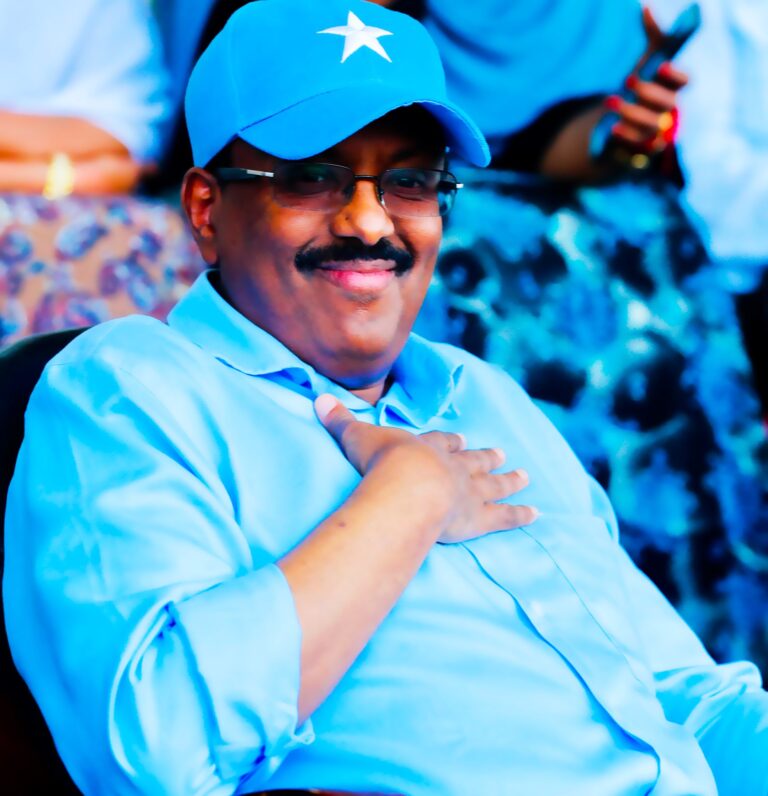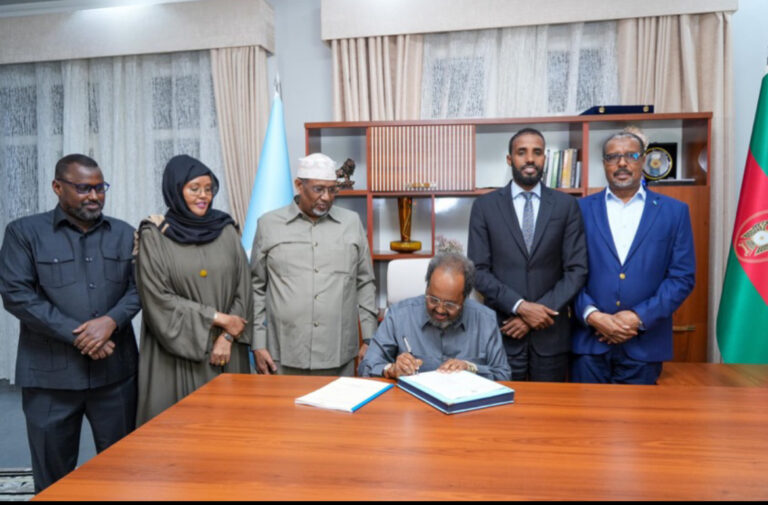
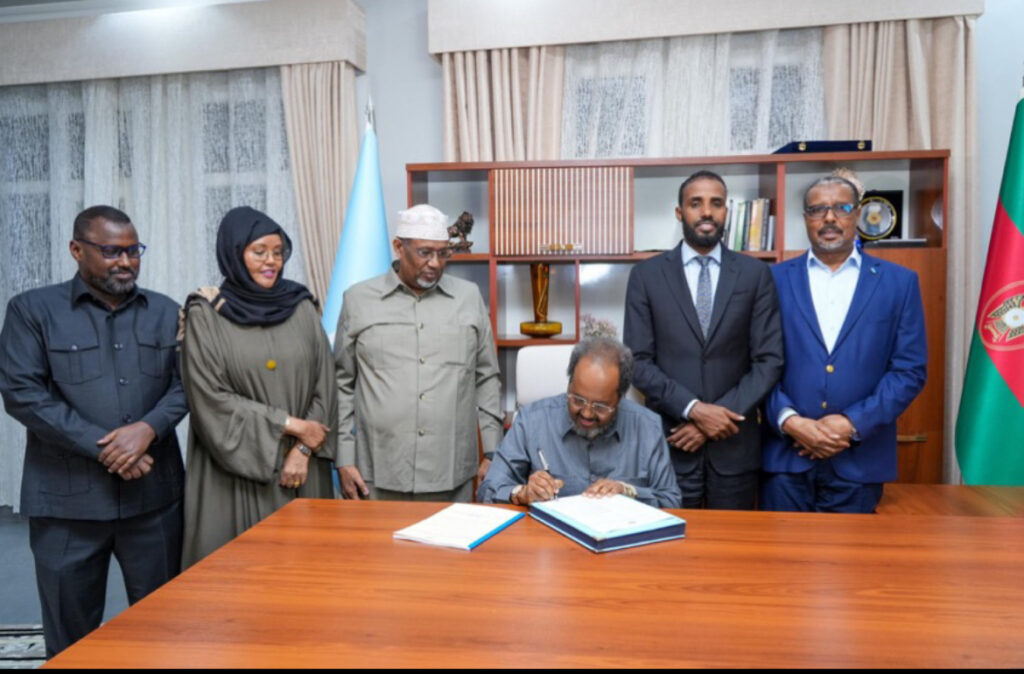
Somalia has a new constitution. After thirteen years of stalling, negotiating, boycotting, and political theatre, the Federal Parliament voted on March 4 to adopt a permanent charter. The government is celebrating. The opposition is condemning. Both are performing for their own audiences. Neither is speaking honestly about what this moment means for the Somali nation.
That is the problem this article intends to address.
The Government’s Failure: Legitimacy Was Sacrificed for Speed
The federal government will tell you this constitution is the product of thirteen years of inclusive consultation. That framing is worth interrogating. Yes, the review process began in 2012. But the vast majority of those thirteen years were consumed by delays caused by the very government structures that now claim credit for the outcome. Constitutional reform was repeatedly subordinated to electoral politics, factional deal-making, and the short-term interests of whoever held the presidency at a given moment. Hassan Sheikh Mohamud’s administration did not finally complete this process out of principled commitment to constitutional governance. It completed it because the political window was available and the parliamentary numbers were in place.
The result is a document that reflects what Mogadishu could get through parliament, not what Somalia as a whole could agree to. The opposition boycott is painted as obstructionism, but the federal government bears real responsibility for it. Puntland and Jubaland were not brought into a genuine co-drafting process. They were presented with outcomes and asked to ratify them. When federal states with legitimate constitutional standing under the 2012 framework, imperfect as it was, refuse to recognise a new document, the appropriate response is not to proceed anyway and call it historic. That is not nation-building. It is central authority dressing itself in constitutional clothing.
The term extension compounds this. Somalia’s citizens were promised direct elections. Universal suffrage was legislated in 2024, a genuine reform, however delayed. But the new constitution retains parliamentary election of the president, meaning Hassan Sheikh will not face a direct popular vote on his record. He will face a parliament he has spent four years cultivating. In any honest assessment, this is a democratic regression tucked inside a democratic document. A government serious about national legitimacy would have accepted the political risk of direct accountability. This one did not.
The Opposition’s Failure: Boycotts Are Not a Substitute for Nation-Building
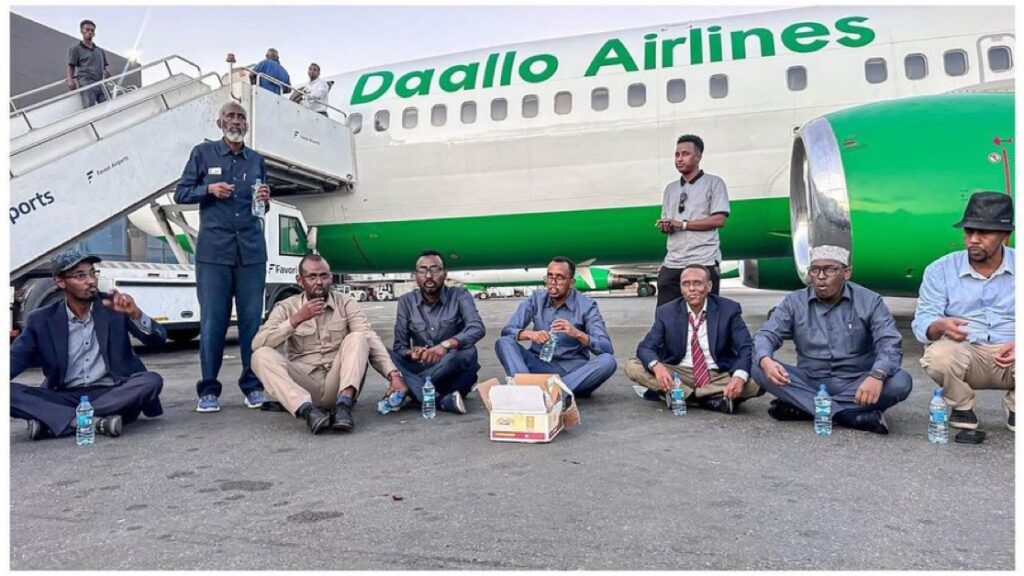
The opposition, however, does not emerge from this moment with clean hands. And this is where Somali political commentary too often goes soft, because criticising the government is easy, and pointing fingers at the opposition risks accusations of partisanship. But the Somali national interest requires honesty about both sides.
The opposition’s boycott of the constitutional process was, at its core, a political calculation — not a principled stand. If the concern was genuinely about inclusion, about federalism, about the rights of Somali citizens, then the response to a flawed constitutional process is engagement, amendment proposals, public mobilisation, and democratic pressure. Walking out and issuing condemnatory statements is what you do when you want to deny the government a legitimacy win, not when you are serious about the document’s content.
Abdirahman Abdishakur Warsame’s statement that this is “a gamble with national unity and stability” would carry more weight if the opposition had spent the last four years presenting a credible alternative constitutional vision. It did not. The opposition figures who boycotted this vote include former presidents whose own tenures were marked by constitutional violations, term extension attempts, and the same centralising tendencies they now denounce in Hassan Sheikh. Farmajo, whose government literally had security forces block parliament from sitting in 2021, is not a credible voice for constitutional integrity. Neither are the figures who benefited from the clan-delegate electoral system for decades and now object to its partial reform.
Puntland’s position is particularly contradictory. The administration has asserted its autonomy, refused to participate in federal processes it finds inconvenient, and maintained what amounts to a parallel political authority while simultaneously demanding a share of federal resources and international recognition as a federal member state. You cannot selectively opt into the federation when it benefits you and opt out when it constrains you, and present that position as constitutional principle. That is not federalism. It is opportunism wearing federalism’s vocabulary.
What the Nation Actually Needs, Which Neither Side Is Offering
Strip away the political positioning from both sides and what Somalia’s national interest actually requires from this constitutional moment becomes clearer. It is worth stating directly, because it gets lost in the noise.
Somalia needs a constitution that all federal states accept as binding. Not because Mogadishu demands it, and not because the opposition concedes it, but because a federal state cannot function when its constituent units treat the supreme law as optional. The federal government needs to recognise that passing a constitution over the objection of two federal member states is not a constitutional settlement, it is a constitutional dispute wearing a settlement’s clothes. Genuine engagement with Puntland and Jubaland, on their real concerns about resource distribution and power-sharing, is not a favour to the opposition. It is a national necessity.
Somalia needs elections that happen on schedule. The term extension is the single most corrosive element of this constitutional package, not because it is unprecedented in fragile states, but because Somalia’s crisis of legitimacy is fundamentally a crisis of accountability. Every time Somali citizens are told that elections must be delayed for stability, the implicit message is that the Somali people cannot be trusted with their own political future. That message, repeated over decades, is part of what has made building durable institutions so difficult. If the government is serious about the constitution’s democratic provisions, it should commit publicly and unconditionally to the new electoral timeline, and the opposition should hold it to that commitment rather than simply using delays as campaign material.
Somalia needs a constitutional culture, not just a constitutional text. This is perhaps the hardest thing to build, and neither the government nor the opposition is currently modelling it. Constitutional culture means that when you lose a parliamentary vote, you challenge it through legal channels rather than boycotts. It means that when you hold executive power, you strengthen the institutions that constrain you rather than the ones that serve you. It means that the judiciary , which the new constitution promises to make more independent, is actually insulated from presidential appointment pressure and clan patronage networks. Text without culture is decoration. The 2012 constitution had decent text. Somalia’s institutions spent thirteen years demonstrating that text is not enough.
Somalia needs to stop treating al-Shabaab as a backdrop to political debates. The insurgency is not background noise. It is a direct challenge to the constitutional order the new document represents. Al-Shabaab controls territory, administers a parallel justice system, and offers, to the rural communities under its authority, a brutal but functional form of governance that the federal state has failed to replace. The new constitution does not address this. The government’s counterterrorism narrative and the opposition’s political critiques both proceed as though the state’s territorial authority is a given. It is not. A constitutional moment that does not grapple with that reality is an elite conversation happening in Mogadishu while a substantial portion of the country lives under different governance entirely.
The Honest Verdict
Somalia’s 2026 constitution is better than the 2012 provisional charter. It has clearer provisions, stronger institutional design, and it closes a chapter of permanent temporariness that was itself a source of instability. These are real achievements and they should be acknowledged.
But the honest verdic, the one neither the government’s press releases nor the opposition’s condemnations will give you, is this: the document’s quality is less important than the political environment in which it will operate. That environment is currently defined by a federal government that prioritised its own consolidation over genuine inclusion, and an opposition that prioritised obstruction over genuine engagement. Both chose their political interests over the national interest at the moment that the national interest needed them most.
The constitution is done. Whether it functions as one depends on whether any of Somalia’s political actors are willing to subordinate their factional calculations to the requirements of a state that works for ordinary Somalis, people who have been waiting, through every transitional government and every constitutional revision, for the politics to finally catch up with their patience.
That patience is not infinite. And it deserves better than what either side offered on March 4, 2026.
Geeddi Somali Policy Network publishes independent analysis on Horn of Africa politics and governance. Views expressed represent the analytical position of the editorial board.
About the Author