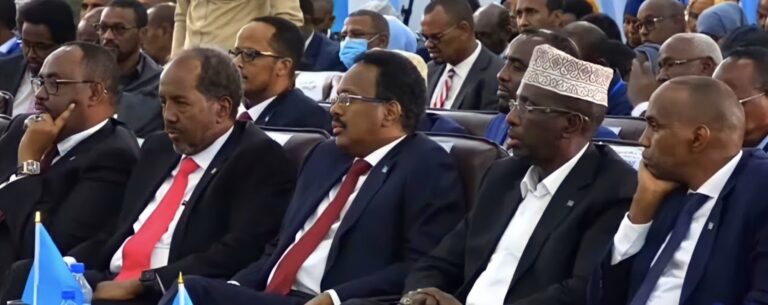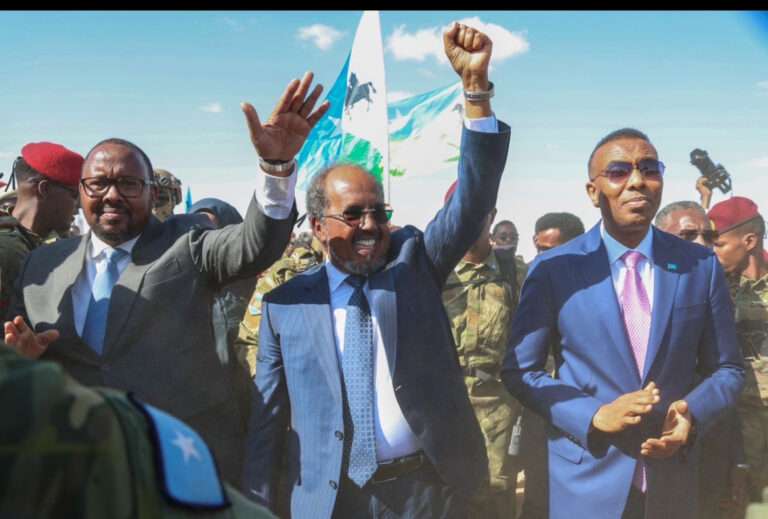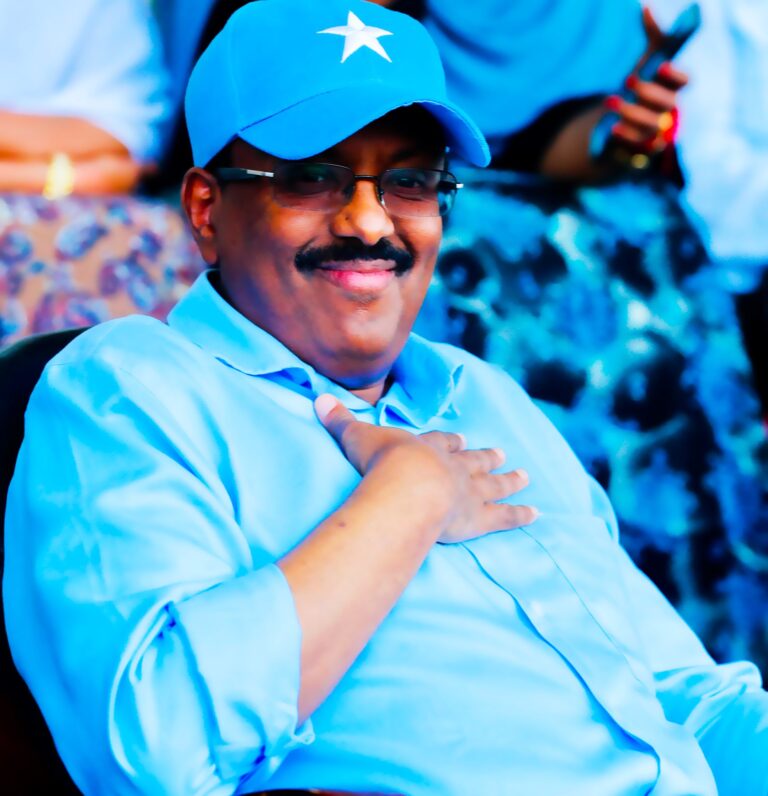
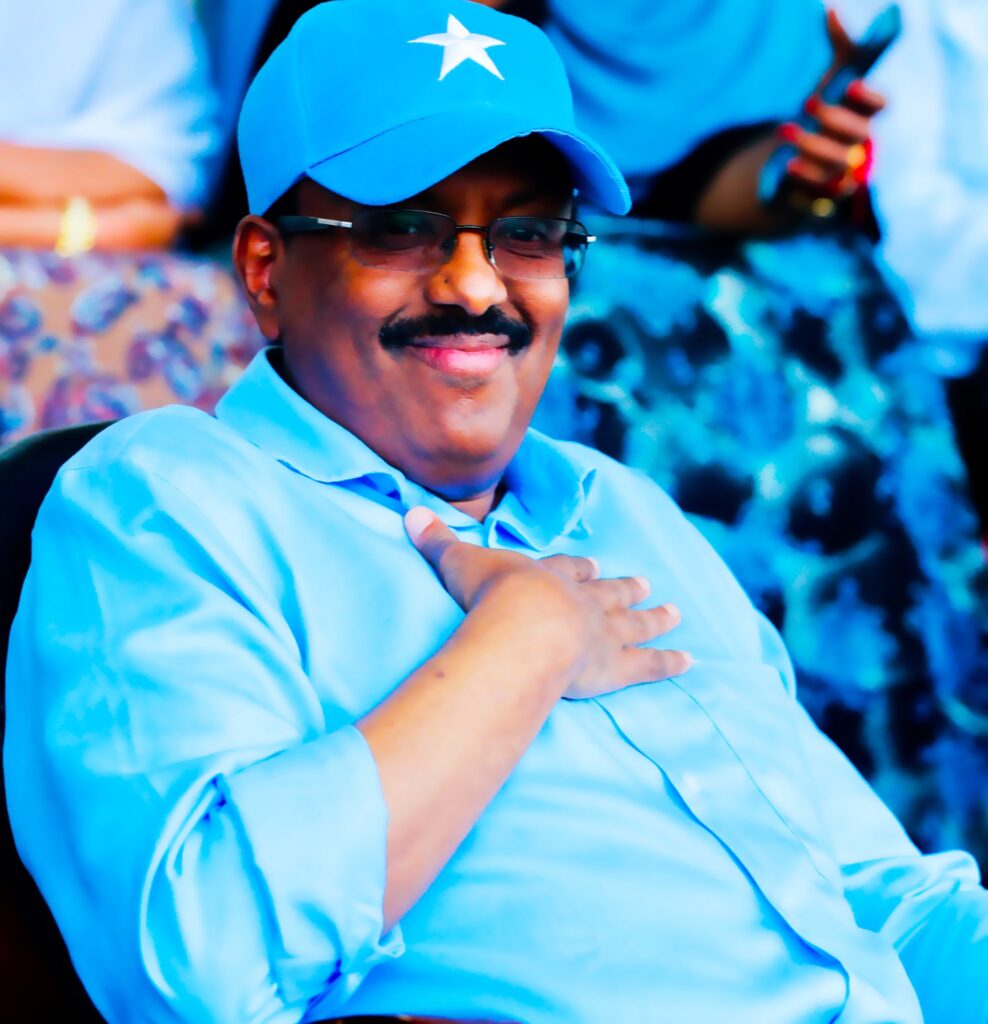
When supporters from across the Somali diaspora pooled resources to gift former President Mohamed Abdullahi Farmajo a house named “Mahadsanid Madaxweyne” (Thank You Mr. President), they demonstrated a fundamental truth about populist politics: the combination of tangible achievements and powerful symbolism creates enduring political capital. This phenomenon becomes particularly striking when comparing Farmajo’s sustained popularity with current President Hassan Sheikh Mohamud’s troubled public image, despite both leaders having mixed records.
The Achievement-Perception Gap
Hassan Sheikh Mohamud’s current presidency presents a curious case of accomplishment without acclaim. His administration has demonstrably improved security in Mogadishu, launched effective military campaigns against Al-Shabaab that have liberated significant territory, and restored a degree of normalcy to the capital. Yet these tangible accomplishments are overshadowed by persistent accusations: land grabbing, privatization of public assets including schools and public housing, selling cemetery grounds, and a foreign policy perceived as erratic and subservient to external interests, particularly the UAE until public outcry forced corrections.
His foreign policy appears reactive rather than strategic. One day in Addis Ababa, the next in Cairo, creating an image of a leader buffeted by external pressures rather than steering Somalia’s course. Most damagingly, Hassan Sheikh’s relationship with the military has been marked by his infamous statement to soldiers: “We can’t afford to increase your salary, you can leave if you want.” This single remark, delivered to men and women risking their lives daily, encapsulated not just fiscal constraint but dismissiveness, as if soldiers were disposable employees rather than national defenders.
Farmajo’s record is more complex than either his critics or supporters often acknowledge. Yes, his presidency saw conflicts with federal member states, the controversial term extension crisis of 2021, and periods of absence due to frequent travel. But it also delivered concrete achievements that resonate powerfully with the Somali public: he rebuilt the national army into a more professional force, regained control of Somalia’s airspace after years of external management, and won the historic maritime border case against Kenya at the International Court of Justice, a legal victory that restored Somali sovereignty over contested waters.
These weren’t merely symbolic victories. Airspace control meant Somalia could manage its own skies and aviation revenues. The ICJ victory secured valuable maritime resources and established Somalia as capable of defending its interests through international law. The army rebuilding, whatever its ultimate limitations, represented investment in national institutions rather than reliance on foreign forces.
Investing in the Nation: Soldiers’ Salaries as Political Symbol
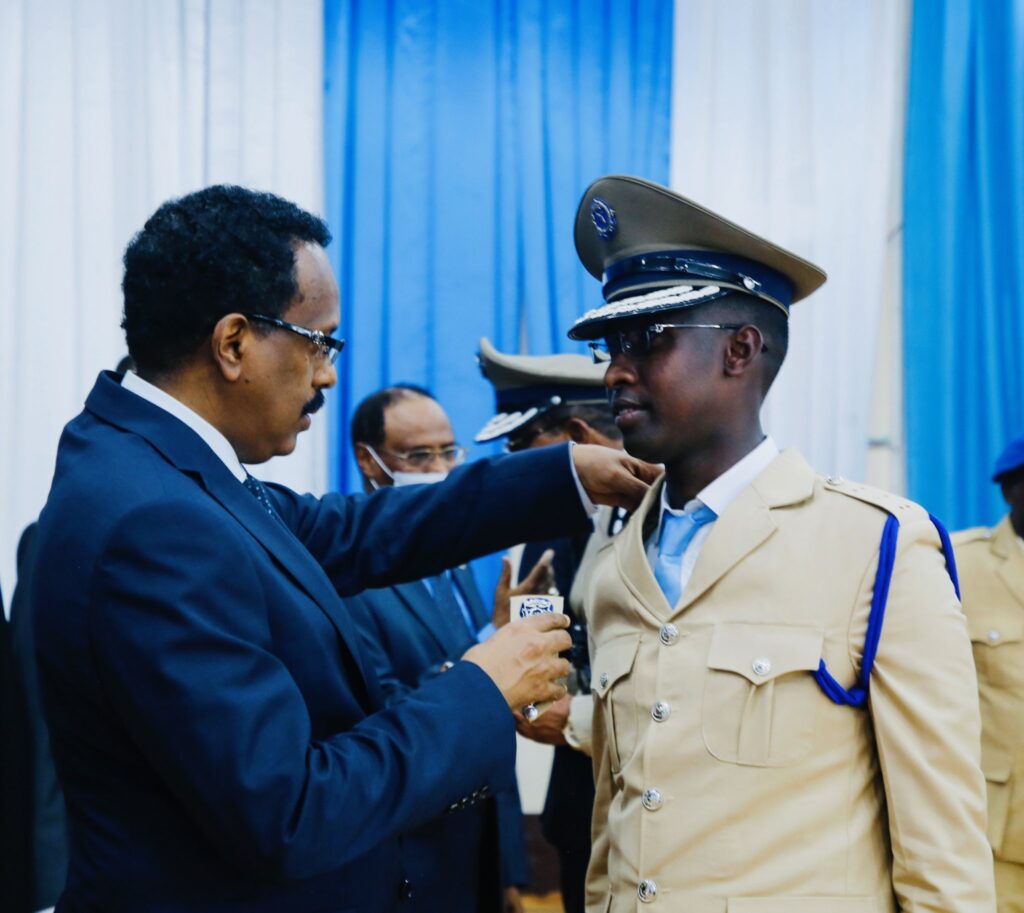
Few contrasts between the two leaders are more stark than their approach to military compensation. Where Hassan Sheikh told soldiers “We can’t afford to increase your salary, you can leave if you want,” essentially treating them as dispensable labor rather than national heroes, Farmajo made ensuring timely salary payments a priority and actively increased military wages. This wasn’t merely about money; it was about respecting the institution and the individuals within it.
The “you can leave if you want” addition transformed fiscal constraint into contempt. It suggested soldiers were interchangeable, that their service was a choice they could revoke if dissatisfied, that the state had no obligation beyond whatever it felt like paying. For soldiers facing Al-Shabaab daily, watching comrades die, living away from families in harsh conditions, this statement was devastating.
Soldiers noticed. When the president ensures you’re paid on time and increases your salary, it signals that the nation values your sacrifice and recognizes your service with tangible investment. When the president tells you the government cannot afford to increase what you earn, and then adds that you’re free to quit if unhappy, it confirms every cynical assumption about elites who expect others to sacrifice while they enrich themselves. The implicit message: your service doesn’t matter enough to fight for proper compensation.
The impact extended beyond the barracks. Families of soldiers, citizens watching military development, and diaspora communities observing from afar all absorbed the message. Farmajo invested in Somalia’s defenders and showed appreciation through increased compensation; Hassan Sheikh told them they were replaceable and could leave if they wanted better. One leader was building a national institution through proper investment; the other was treating soldiers like dissatisfied workers at a failing business.
This single statement illuminates why tangible achievements matter in building popular support, but also why rhetoric matters immensely. Farmajo’s salary increases weren’t just good policy, they were evidence of priorities. Hassan Sheikh’s “you can leave if you want” comment, even if reflecting genuine fiscal constraints, became evidence of his fundamental disrespect for the institution and individuals defending the nation.
The question that haunts Hassan Sheikh’s military policy is simple: if the government cannot afford salary increases for soldiers fighting Al-Shabaab, how can it afford to privatize public properties? If there’s money for land deals, why not for the men and women you tell can “leave if they want”? Fair or not, this narrative devastates public trust.
Strength and Dignity: The Populist-Nationalist Synthesis
What distinguished Farmajo was how he combined concrete achievements with a projection of strength and national development. His administration presented Somalia as a country on the rise, recovering its dignity and agency. His nationalist foreign policy wasn’t just rhetoric, it was backed by concrete actions like the ICJ case, airspace reclamation, and investment in military capability.
The army rebuilding tapped into deep aspirations for self-reliance. For decades, Somalia had depended on AMISOM and foreign forces for security. Building a professional Somali army (paying soldiers properly and on time, increasing their compensation, treating them as valued professionals rather than replaceable labor) represented movement toward the goal every Somali desires: defending the nation with its own sons and daughters.
When Hassan Sheikh tells soldiers “we can’t afford to increase your salary, you can leave if you want,” it confirms fears of continued weakness and institutional neglect. Worse, it suggests the leadership doesn’t even value trying. The “you can leave” addition transforms fiscal constraint into indifference. When accusations surface about selling public properties while telling soldiers they can quit if unhappy about stagnant wages, the message becomes: elites enrich themselves while telling national defenders they’re expendable. Fair or not, this narrative devastates public trust.
Crucially, Farmajo maintained a presidential demeanor. He spoke less about his opponents, avoided petty political disputes, and projected confidence rather than defensiveness. This restraint amplified his authority. He appeared above the fray while others squabbled below. He spoke about national development, sovereignty, and institutional building. Hassan Sheikh appears entangled in constant controversy and defensive explanations, when not making statements that alienate the very forces he depends upon.
The Maritime Victory: Symbolism Meets Substance
The ICJ maritime case exemplifies how Farmajo merged achievement with symbolism. This was a genuine legal and diplomatic triumph that required years of preparation, skilled legal representation, and diplomatic finesse. Somalia defeated a more powerful neighbor through international law, exactly the kind of victory that validates nationalist aspirations.
But beyond the practical value of the maritime territory, the victory symbolized something deeper: Somalia could win without foreign military intervention, could compete successfully in international forums, could be taken seriously as a sovereign state. Farmajo wasn’t just defending maritime borders; he was defending the idea of Somali capability and dignity.
Hassan Sheikh’s government, despite military gains against Al-Shabaab, struggles to generate similar moments of national pride. Security improvements are essential but technical. Liberating territory from Al-Shabaab feels like cleaning up inherited mess. These achievements don’t carry the same emotional weight as defeating Kenya at The Hague, reclaiming control of the skies, or building an army where soldiers know their service will be recognized with proper compensation, not dismissed with “you can leave if you want.”
The Economic Contrast: Priorities Revealed
Farmajo’s economic management during COVID-19 demonstrated crisis leadership, but more importantly, it revealed priorities. Even during a global pandemic with collapsing revenues, he found resources to pay soldiers on time and increase their salaries. Hassan Sheikh, governing in theoretically better economic times with significant international support for Al-Shabaab operations, claims inability to afford salary increases and tells soldiers to leave if dissatisfied, while facing accusations of privatizing public assets for elite benefit.
The narrative practically writes itself: one leader sacrificed to build institutions and reward soldiers even during global crisis; the other tells soldiers they’re replaceable while public property allegedly disappears into private hands. Whether entirely accurate or not, this story explains the divergent public images.
Farmajo’s projection of a Somalia moving forward (reclaiming airspace, winning international cases, building a professional military with proper compensation, maintaining payment obligations) created a psychological shift from victim nation to rising power. Hassan Sheikh’s presidency, despite actual progress in some areas, feels like a return to the chaos, corruption, and elite self-dealing of earlier eras, where those who sacrifice are told they can quit if they don’t like it while elites prosper.
The Diaspora Distance and Achievement Amplification
The “Mahadsanid Madaxweyne” house gift reflects genuine appreciation for perceived achievements, but also reveals how distance can magnify success and minimize failure. Diaspora communities celebrated the ICJ victory, the airspace control, the military investment and salary increases, and the nationalist stance without living through the federal-state conflicts, the term extension crisis, or the gaps between military rhetoric and capability.
They experience the pride of Somalia standing up to Kenya, properly compensating its soldiers, and controlling its own skies without navigating the daily dysfunction of federal politics. Hassan Sheikh’s supporters can point to liberated territories and improved Mogadishu security, but these feel like mere maintenance, treading water, compared to the grand narrative of national restoration and institutional investment. And when soldiers themselves are told “you can leave if you want,” even military victories ring hollow.
The diaspora particularly resonates with Farmajo’s approach because many of them left Somalia precisely because the state failed them. A leader who invests in institutions and respects those serving the nation represents the Somalia they want to return to. Hassan Sheikh’s dismissiveness toward soldiers echoes the state failure that drove diaspora communities abroad in the first place.
The Democratic Dilemma: When Strength Undermines Institutions
Here lies the paradox for Somalia’s democratic development. Farmajo’s achievements were real (the ICJ victory, airspace control, army development with proper compensation and salary increases), but his term extension attempt revealed how populist-nationalist leaders can become threats to the very institutions they claim to strengthen. The army he built and paid nearly turned on itself. The sovereignty he defended almost collapsed into civil war over his refusal to leave office on time.
Hassan Sheikh, for all his flaws, stepped aside when his term ended. His willingness to work within federal structures, even when frustrating, represents institutional politics rather than personality-driven governance. But institutional politics looks weak when you’re telling soldiers “you can leave if you want” while your opponent ensured timely payments and salary increases even during a global pandemic.
The contrast raises uncomfortable questions: Is Hassan Sheikh genuinely constrained by fiscal realities that Farmajo somehow overcame? Or does it reflect different priorities, one leader viewing military investment as essential nation-building, the other viewing soldiers as expenses to be minimized and dismissed if they complain? The perception, if not the reality, is that Farmajo invested in institutions while Hassan Sheikh extracts from them and tells those who object to leave.
Performance Plus Perception: The Complete Picture
The truth is neither leader fits neatly into hero or villain categories. Farmajo achieved significant victories (the ICJ case, airspace control, army development with increased compensation) that justify much of his support. His commitment to institutional investment, even during COVID-19, demonstrated priorities aligned with national aspirations. But he also presided over dangerous federal fragmentation and constitutional crisis.
Hassan Sheikh has delivered security improvements and Al-Shabaab defeats, liberating territories and pushing back militant control. But he has damaged public trust through perceived corruption, inconsistent foreign policy, and most damagingly, his dismissive attitude toward the military he depends on. His statement “we can’t afford to increase your salary, you can leave if you want” will haunt his legacy far more than any territory his forces liberate from Al-Shabaab.
The “you can leave if you want” addition is particularly damaging because it reveals an attitude problem beyond fiscal constraints. Even if the government truly cannot afford salary increases, telling soldiers they can quit suggests the president doesn’t view their service as essential or valued. It treats national defense as optional employment rather than sacred duty.
Conclusion: Investment Versus Dismissal
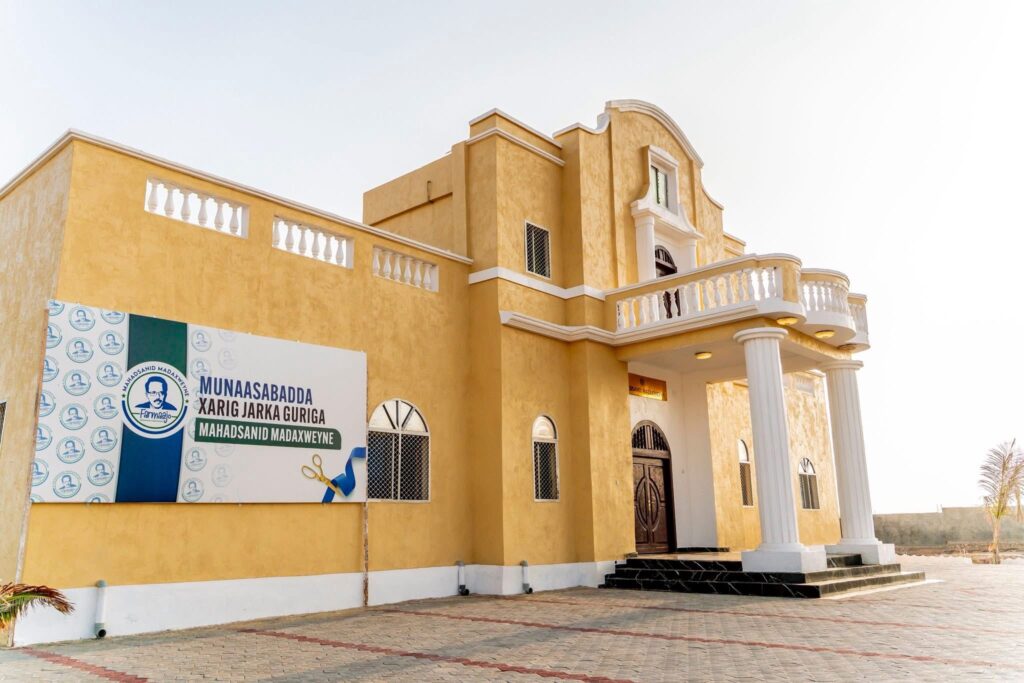
The house named “Mahadsanid Madaxweyne” represents gratitude for real achievements (the maritime victory, the airspace reclamation, the army building with dignified compensation and salary increases) combined with the emotional appeal of a leader who made Somalis feel proud rather than pitied, valued rather than disposable. This is populism’s power when it aligns with genuine investment in national institutions.
The contrast with Hassan Sheikh reveals a fundamental political truth: voters distinguish between leaders who invest in the nation even during hardship, and leaders who claim constraints while telling defenders of the nation they can leave if dissatisfied. Farmajo increased soldier salaries during a pandemic; Hassan Sheikh says he cannot afford increases during relative stability and adds that soldiers can quit if they want, all while facing land-grabbing accusations. One builds institutions and honors sacrifice; the other dismisses both.
As Somalia approaches the 2026 elections, the lessons are clear. Somali voters reward leaders who combine concrete institutional investment with nationalist symbolism and respect for those who serve. They punish leaders who appear weak abroad, extractive at home, and dismissive toward soldiers. Hassan Sheikh demonstrates that military victories mean little when soldiers are told they’re replaceable, and that liberating territory rings hollow when public property disappears into private hands while the military is told to accept stagnant wages, or leave.
Farmajo proved that ensuring dignity through proper compensation, winning legal battles through preparation, and reclaiming sovereignty through patient effort creates formidable political capital. His supporters didn’t gift him a house for promises, they did so for what they perceived as delivery under difficult circumstances, for a leader who invested in them when it mattered most and never told them they could leave if they wanted better.
The challenge for Somalia’s democracy is ensuring future leaders must deliver institutional investment and nationalist achievement within constitutional constraints. The “Mahadsanid Madaxweyne” house stands as testament to what Somali voters value: leaders who invest in the nation, respect its defenders through tangible compensation and verbal dignity, and make citizens feel Somalia matters, not leaders who tell soldiers “you can leave if you want.”
The question is whether Somalia’s institutions can produce leaders who understand that building a nation requires valuing those who defend it, not dismissing them when they ask for fair compensation. The answer will shape not just the 2026 elections, but the future of Somali democracy itself, whether it rewards institutional builders who honor sacrifice, or becomes a rotating cast of extractive elites managing decline while telling soldiers they’re free to quit if unhappy about being undervalued.
About the Author